About Safety

Inclusive and open from the get go

Our Approach

Going solar is has multiple phases process with multiple stakeholders and has many intermediary steps, both big and small. Our goal is to make these interactions visible to all, map any associated risk surfaces and use available tools to secure them.

1. It starts at the product level, the solar system that is at the core of the service
2. Which joins a larger, integrated power ecosystem at the project level
3. Moving all the way up to the platform level that makes it accessible to all
Product

Guardrails for hardware & outputs

All panels are insured and warranted

All solar modules we use have power output warranties that run for 20+ year. If the minimum power drops lower than the stated threshold (typically < 85%) the warranty ensures replacement of system.

Furthermore, all systems are insured to protect it from damages, fire and theft.

You can find specific details pertaining to the project by requesting access to project reports.

Quality of components

All modules in use for Digital Solar are high grade mono-crystalline panels that rank above the herd when it comes to efficiency and performance.

We use components that are approved by Ministry of Renewable Energy (MNRE). We have made our bill of materials public and we highly encourage you get it cross-checked by a solar expert to base the quality of the system.

Inference math is open for checks

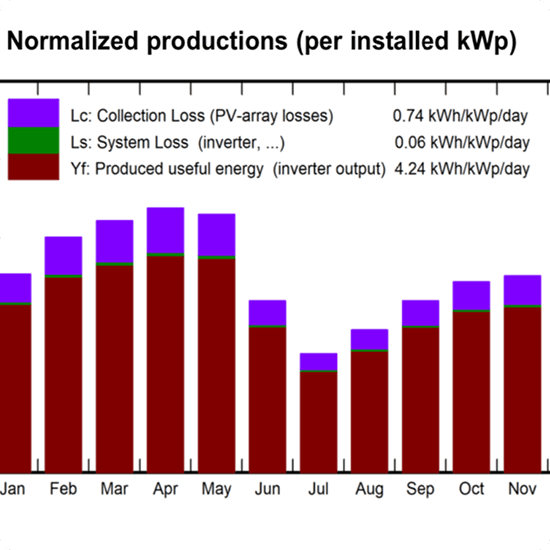
We have also made public our inference data -> simulated data on how much power does panels generate in a given location and the forecasts on savings.

Example chart of normalized solar production inference data
Example of inference data providing performance estimates
You can find specific details pertaining to the project by requesting access to project reports.

Real-time performance is always visible

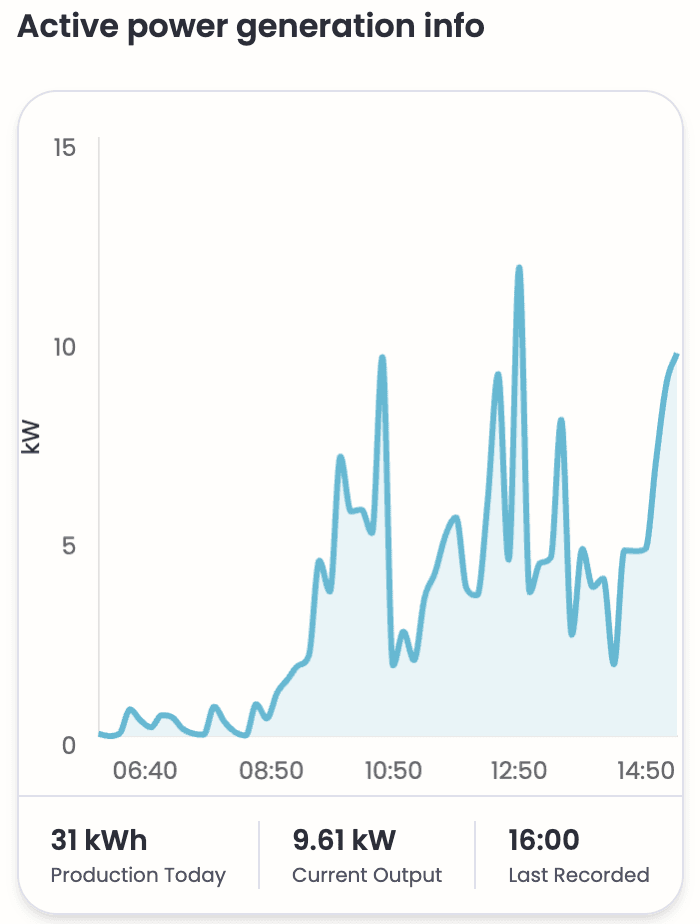
Anyone checking out our projects can always see how much power is generated on a minute-by-minute basis, and since this is fundamental to how much credits get allotted, essentially everyone gets to be above board regarding how the panels are functioning.

Active power generation information card
Find this nested inside the project details page.

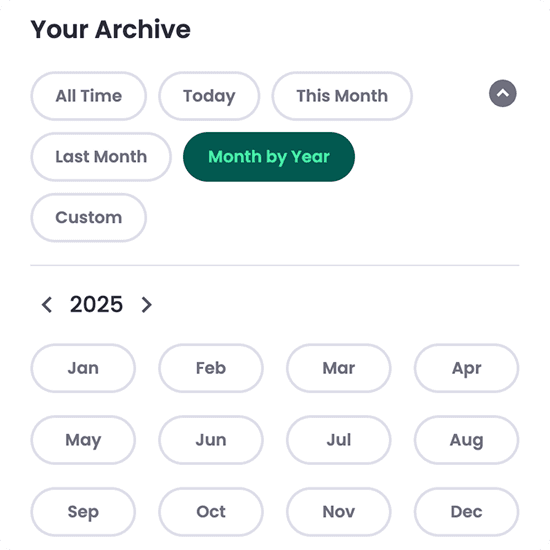
For users, we go one step further and they can view the entire historical data of the performance of their reserved Digital Solar.

Archive filter interface for historical performance data
Users can find historical performance data by clicking on the project card in their dashboard.

Project

Protections in hosting & upkeep

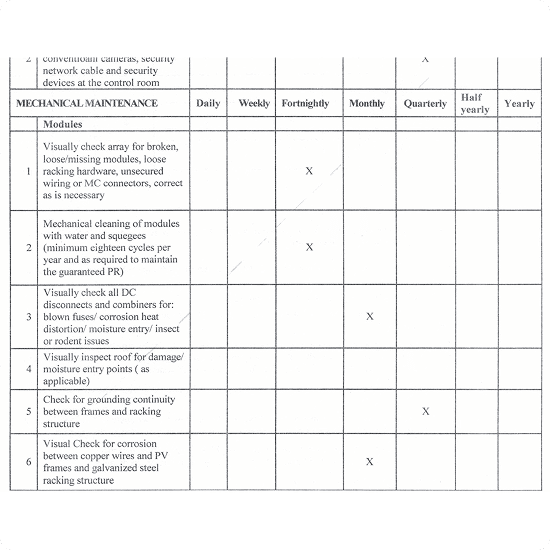
Comprehensive operations checklist

We have a meticulous maintenance checklist that our ground partners need to adhere to. Since panel surfaces need to be clean from dust and other obstructions, all sites have cleaning scheduled fortnightly.

Periodically, inspection of components and related activities are conducted as well.

Operations checklist table for solar project maintenance
A snapshot of the maintenance checklist we manage with our ground partners.

Prompt Maintenance notifications

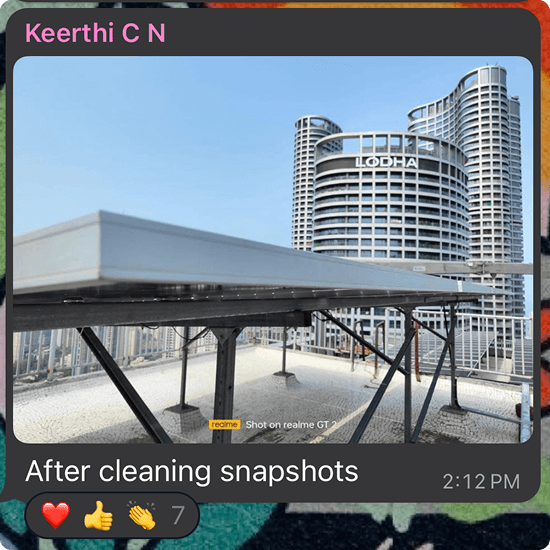
While the operational checklist is more for the partners, users are also provided with information regarding these operational activities over the project communities (exclusive to the users of the specific project and can join only through dashboard)

After cleaning snapshot shared in a project maintenance community
t̤6

Visibility to host due diligence

At the upper limit, these projects are managed for around 15 years, hence its important to ensure the hosts we select have the financial security to pay for solar power for the subscription duration.

With housing societies, we have a collection of parameters such as occupancy rates, collective corpus fund size and on-time vendor payment frequencies.

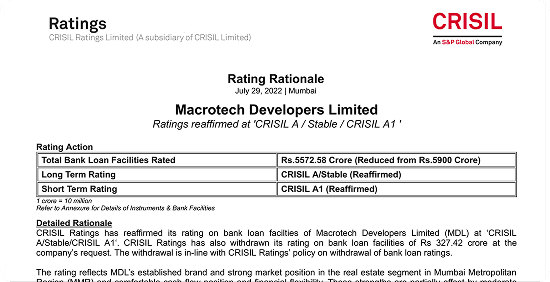
For commercial enterprises, we take a step further and takes their credit-ratings into account.

CRISIL rating rationale document snapshot
A snapshot of the maintenance checklist we manage with our ground partners.

Deemed Generation for unused power

In case the host shuts down power, for instance to conduct maintenance, the downtime is accounted for as deemed generation in the power purchase agreement. This means users are protected from these downtimes and still could collect credit benefits for the expected power output.

The deemed generation can be found in the schedules or annexure section of the project specific PPAs.

Secured Power Generation

Secured Generation is the power output from a solar project that SundayGrids ensures the developers guarantee. This is expressed in two phases;

  1. On a monthly level: On the off chance that power output dips below this level (set at 75% of the forecast value for the month (which varies month to month based on seasonality), users would be compensated for the deficit through proportional addition of buffer credits.
  2. On a half-yearly basis: Every 6 months (count starts from the month the plant is listed on the platform) the performance of the plant is reviewed and if the generation is below 100% of the aggregated forecast value, buffer credits are released to balance out the deficit.
View the Secured Generation data of various projects here

Host Payment Security

For all the projects we install, we collect a security deposit or instruments of similar function, estimating around 6 months of power bill value. That way in case there is a delay in payments due to any reason, users would get the credits for the generated power. Additionally, there is a penalty structure integrated into the PPA (power purchase agreement) in case of payment delays.

Delisting a project

In case any projects severely underperform or we have to exit the project due to host-level or platform-level issues, we have a multi-dimensional approach to resolve for;

  1. Reservation Transfer: When a plant has been tagged for exiting, the users who have a reservation on the particular plan is immediately transferred to another project of similar parameter, like credit rate, tenure etc at no cost to the customer. Reservations will be mapped and rebalanced in such manner that the performance yields and annualised savings (XIRR) remains unchanged for the user.
  2. Buyback: Every PPA comes with a buyback clause for the host location where the plant is installed to purchase the asset as per the pre-determined net-present value of the asset. When a buyback is triggered, reservation transfer gets activated or users get a refund such that credits received till date + refund value = 12% XIRR on their reservation.
  3. Asset Transfer: When we onboard solar developers to operationalize a plant, we ensure that the developer has a sufficient pipeline of projects in the same vicinity to ensure that the plant can be transferred to a new location and continue generation. In the interim where the transfer happens, the security instruments are leveraged to ensure credit disbursal under deemed generation continues without hurdles.
  4. Asset Sale: Since all reservations have an underlying physical asset, instead of buyback to the host, we may trade the PPA or hardware in secondary markets at net-present value and the retrieved value is disbursed pro-rata. The refund mechanics will be same as a buyback.
You can find this and other user protection clauses in our Digital Solar Service Agreement in the project details page.

Platform

Built-in transparency at the interface level

Buffer Credits

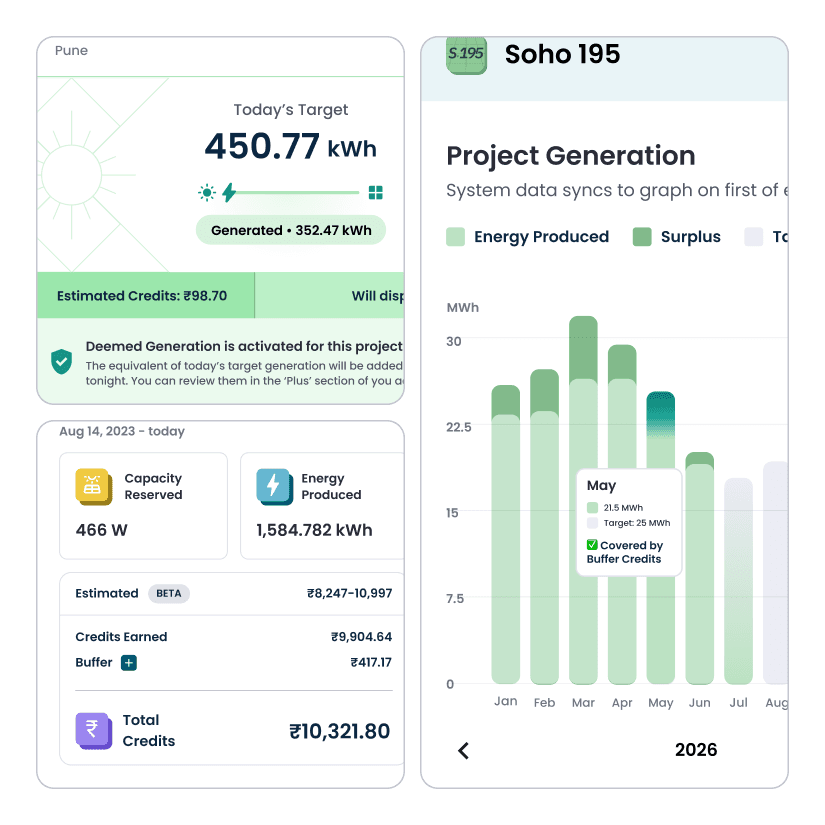
Buffer credits are secondary credits beyond generation credits that are disbursed to the customer for generation shortfalls as mentioned in the Secured Generation and Deemed Generation sections. They are also used during the curing period of newly listed plants where the data-loggers to track plant generation have not yet been activated.

Buffer credits view for secured power generation

Zero-hassle utility payments

Sometimes we often come across in bill payment apps like Google Pay, PayTM, where utility server related issues cause payment failures. We have developed a notification and collection system that collects the necessary dues and connects to biller when servers get operational, making it hassle-free for our users.

Community Stewardship

We believe for the best of community solar not only better solar access should exist, but also community tools that can enable users to become stewards of their solar. Community forums and project-exclusive groups enable all users to discuss and communicate with the team as well as between each other about project activity, billing related stuff and take collective decisions if required.

Health Tracking Reports

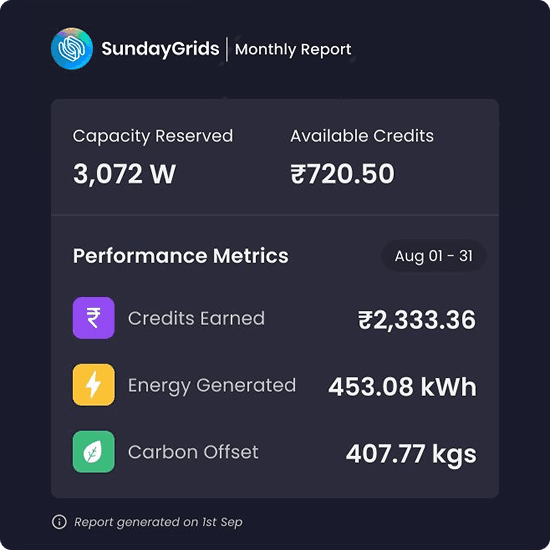
Every month, our users get a report over WhatsApp and email on how the solar system have been faring and an overview into the performance and credits generated for that period from all the systems they have reservations collectively.

SundayGrids monthly report snapshot
A snapshot of the maintenance checklist we manage with our ground partners.

Policy

Compliances & regulatory alignment

For generating solar power

All solar projects are built as per regulatory mandates of CERC (Central Electricity Regulatory Commission) and its state-wise nodal agencies.

Furthermore, credit generation and accounting is done as per standards determined for captive solar power production by the regulators and we operate grid-tied systems only in jurisdictions made permissible for third- party investment models.

For using credits on power bills

The application of credits and billing of power is done via BBPS (Bharat BillPay) in accordance to rules and guidelines set by NPCI (National Payments Corporation of India) and managed through a BBPOU certified banking partner (PayU, in our case)

For storing credits

The wallets on SundayGrids follow closed PPI (prepaid wallet instruments) architecture mandated by the RBI.

Reach out to us

We’d like to hear what you think about Digital Solar

Conversations make for better products

We love to listen; and anything goes, both feedback and criticism, if there are aspects of building digital solar that can be made better or is currently inadequate, we would love to brainstorm it with you. Connect with us over email → [email protected] for a nuanced discussion or jump into our community forum on Discord where we can loop in a larger audience.

Couldn't find what you were looking for? Check in our